
Understanding Fascia: A Deep Dive into Its Role in Movement and Wellbeing
Joy Nash
What is Fascia?
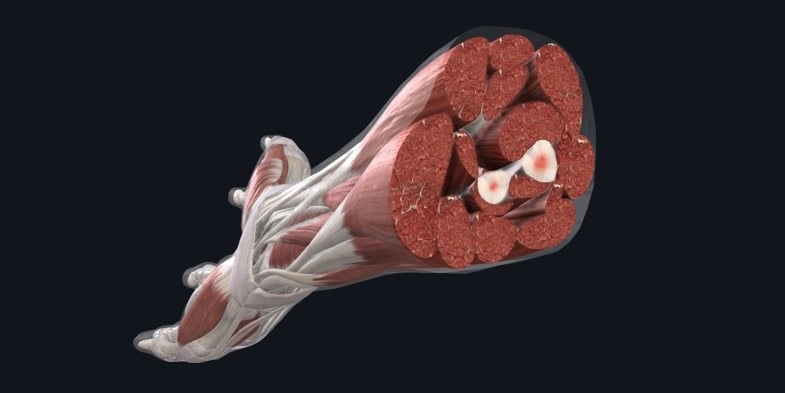
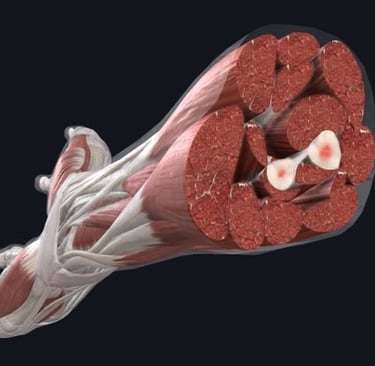
Fascia is a vital yet often overlooked connective tissue that surrounds muscles, bones, organs, and nerves throughout the body. It plays an essential role in supporting and protecting the body's structures while maintaining proper alignment and function. This intricate web of tissue can significantly affect how we move and live our daily lives. When fascia becomes restricted or tight, it can lead to pain, decreased mobility, and even emotional distress. Therefore, understanding the importance of fascia is crucial for our holistic wellbeing.
The Connection Between Fascia and Movement
The way we move is profoundly influenced by the condition of our fascia. Healthy fascia allows for fluid movement and optimal performance in daily activities, whereas restricted fascia can hinder mobility and lead to discomfort. As fascia is interconnected throughout the body, restrictions in one area can lead to compensatory changes in other areas, ultimately affecting our entire movement pattern. This interconnectivity underscores the importance of addressing fascia in order to enhance physical performance and overall health.
Treatments for Fascia Release
There are various effective treatments designed to release tension in the fascia, which can help restore mobility and improve overall health. Techniques such as gua sha—a traditional Chinese healing method—use a smooth tool to scrape the skin, stimulating blood flow and releasing fascial restrictions.
Hot stone massages involve placing heated stones on specific points of the body to relax tight muscles and fascia, enhancing circulation and lymphatic drainage. Similarly, cupping therapy, which creates suction on the skin using specialized cups, can effectively lift fascia and release tension, improving both relaxation and mobility.
Incorporating mobility exercises, meditation, and mindfulness into one’s routine can further support fascial health. By fostering a deeper awareness of one’s body, individuals can release emotional tensions stored within the fascia, which can lead to enhanced physical and emotional wellbeing.
Overall, regular massage and treatment for fascial restrictions not only improve physical health but also promote a healthier, more balanced lifestyle. By addressing inflammation and pain through these modalities, individuals can live with greater ease, resilience, and vitality.